 Southwest
Environmental LimitedSouthwest
Environmental Limited
Southwest
Environmental LimitedSouthwest
Environmental Limited| London |
| 02076 920 670 |
| Exeter |
| 01392 927 961 |
| Manchester |
| 01612 970 026 |
| Bristol |
| 01173 270 092 |
> Environmental Permitting > Sustainable options for Waste in the UK > Regulation of Plastics
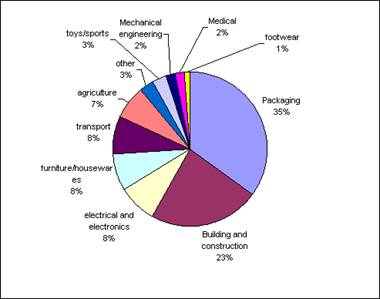
As the pie chart shows over 1/3 of the plastic waste
in the UK come from packaging.
There are 7[xiv]
types of plastic some of which can and are recycled however, cat 7
plastics which account for a lot of the plastics used are not
recyclable.
These accounts for the very low rates for recycling,
and therefore high levels of waste going to land fill.
Pros:
Embracing the proximity principal consumers can
dispose of waste plastic at home, in their compost heaps / vessels
Cons:
However, bio plastics can cause contamination of conventional plastic when
recycling.
In urban areas where compost heaps are not the norm the
bio plastics will probably be placed with food waste, thus increasing the
percentages of putrescible waste.
This should be
coupled with a ban of type 7 plastics, which are seldom recycled, and it should
be included in the Duty of Care obligations that Local Authorities make
provision to recycle type 1 - 6.
Pros:
With only
six types of plastic on the shelves, recycling will become easier, and
hopefully more prevalent.
Cons:
Although production of type 7 plastic could be easily policed in the UK
imports from China and India would be more difficult to police, in this area
change would be driven by the supply chain, with retailers / industry
specifying they wanted goods / materials delivered free of type 7 plastics.
In order
inform of plastic type, accurate and informative recycling information should be
mandatory of all packaging, then consumers will be able to make an informed
decision.
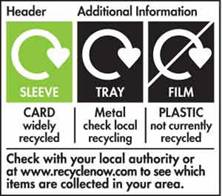
By informing the consumer of whether there product is
packaged in a material that can be recycled is essential.
Many of the more responsible retailers have started
to label packaging in some detail “Plan A” (M&S) and similar initiatives
have been fully embraced my many retailers.
This label from a ready meal identifies the plastic portion as unrecyclable.
Pros:
A chance
to eliminate “bad” packaging at the source via consumer selection.
Cons:
This approach will be costly for smaller retail outlets, and may lead to
further monopolisation of the retail sector.
Relies on consumer “knowing their stuff”
[xiv] About.com
[xv] https://www.wasteonline.org.uk/
[xvi] Mixed sources - noted on diagram
[xvii] Consumer Retail Consortium
[xix] BBC news
[xx] Daily Mail - Read with Caution
[xxi] The effects of unit pricing system upon household solid waste management: The Korean experience