 Southwest
Environmental LimitedSouthwest
Environmental Limited
Southwest
Environmental LimitedSouthwest
Environmental Limited| London |
| 02076 920 670 |
| Exeter |
| 01392 927 961 |
| Manchester |
| 01612 970 026 |
| Bristol |
| 01173 270 092 |
We can offer laboratory analysis for micro plastics in foods, soil, and water.
Detecting microplastics in food is a complex process that requires specialized equipment and techniques. Here's a general overview of how it's done:
The first step involves carefully preparing the food sample to isolate potential microplastic particles. This might involve digestion with enzymes to break down organic matter or filtration techniques to concentrate the particles.
Several techniques can be used to separate and identify microplastics:
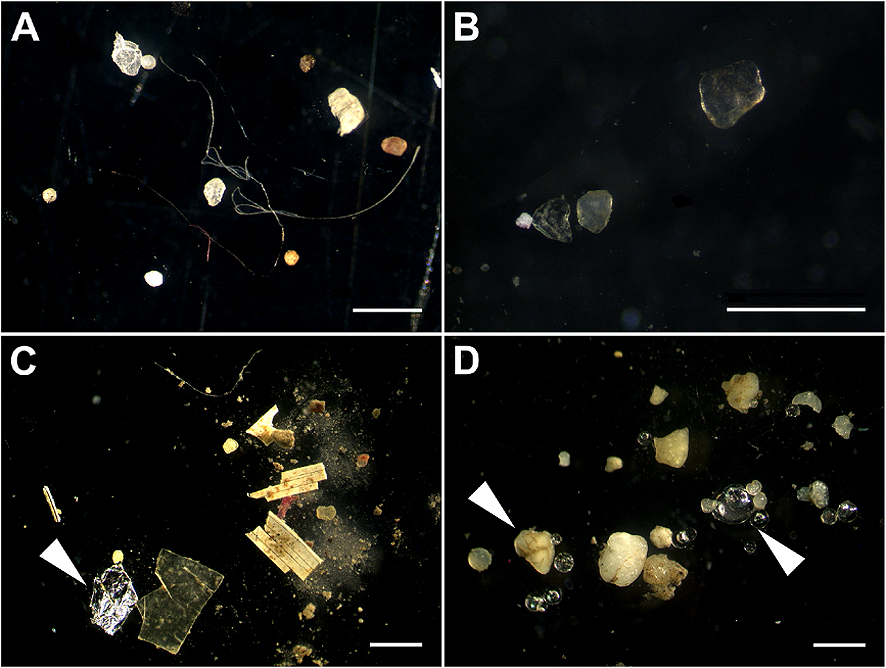
Once isolated, microplastic particles can be further analyzed using spectroscopic techniques like:
If you need a sample of food, soil or water testing for the presence or speciation of micro plastics then please do get in touch.
The prevalence of microplastics in our environment represents one of the most significant challenges to modern environmental compliance and public health. As these persistent pollutants permeate water systems, soils, and the food chain, accurate quantification and polymer identification become essential. Our consultancy provides specialized laboratory services to detect, categorize, and measure microplastic concentrations across a variety of media, supporting academic research, industrial monitoring, and corporate sustainability strategies.
Microplastic analysis requires high-precision equipment to distinguish synthetic polymers from organic matter. Our laboratory services utilize industry-standard protocols to ensure data reliability and reproducibility.
Our analytical data is a vital component for comprehensive food chain contamination analysis. By understanding the concentration of plastics in primary producers and aquatic life, businesses can better manage risks within their supply chains. Furthermore, microplastic data is increasingly integrated into formal Environmental Impact Assessments (EIA) for new developments, particularly those involving water treatment or industrial discharge. Our reports provide the technical evidence needed to address ecological concerns and support planning statements with robust, science-based data.
Analyzing complex environmental matrices for synthetic pollutants requires specialized technical authority (IES/FGS). SWEL provides the professional accreditation and scientific precision needed to deliver audit-ready laboratory reports. With a portfolio of over 900 projects across the UK, we offer specialized insight into the emerging regulatory landscape surrounding plastic pollution. Whether you are monitoring a local watercourse or evaluating the efficacy of a filtration system, our team ensures your results are accurate, compliant, and supportive of your environmental objectives.
Our team is dedicated to providing high-resolution analytical data that supports the protection of our natural ecosystems and the safety of the global food chain.